Features
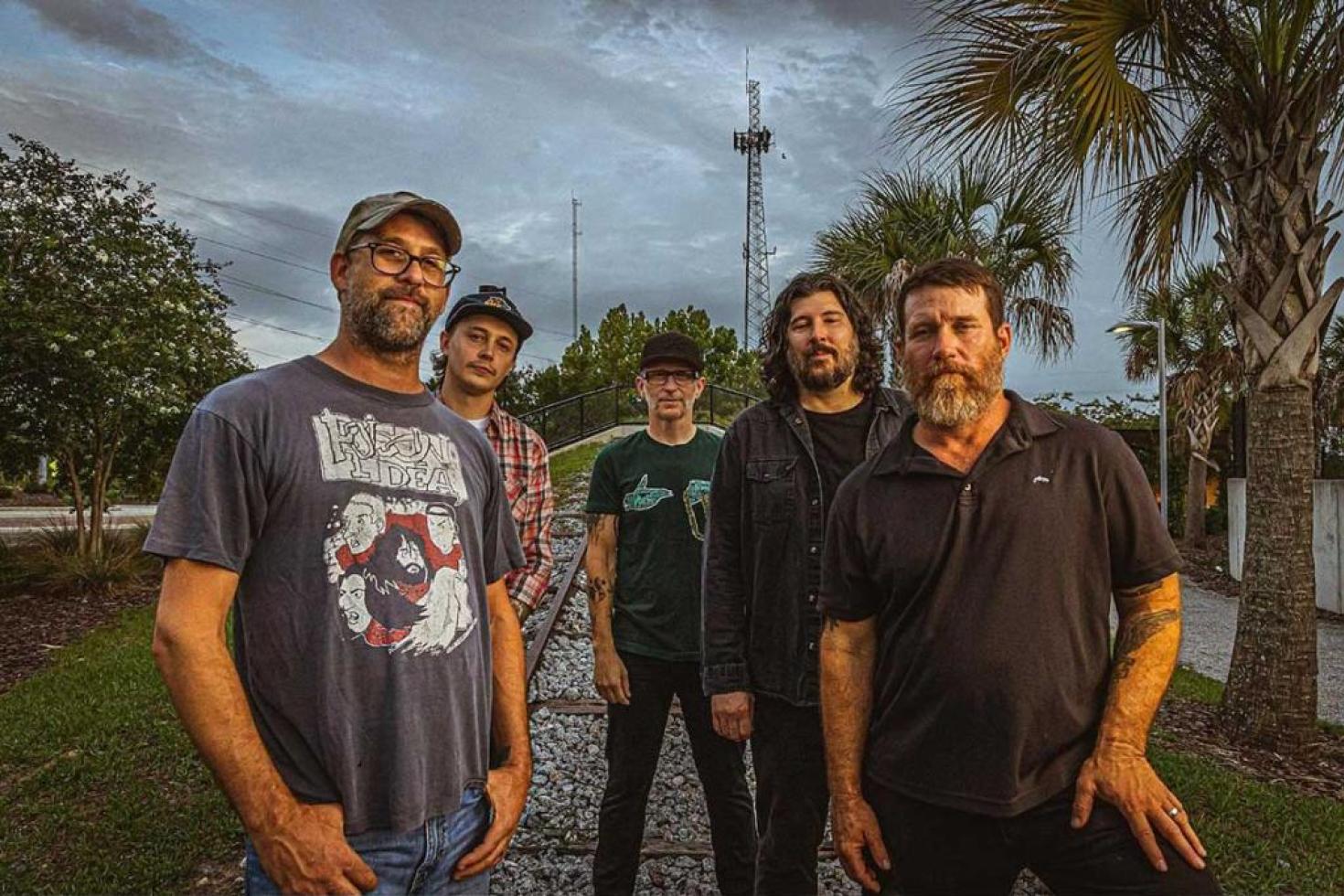


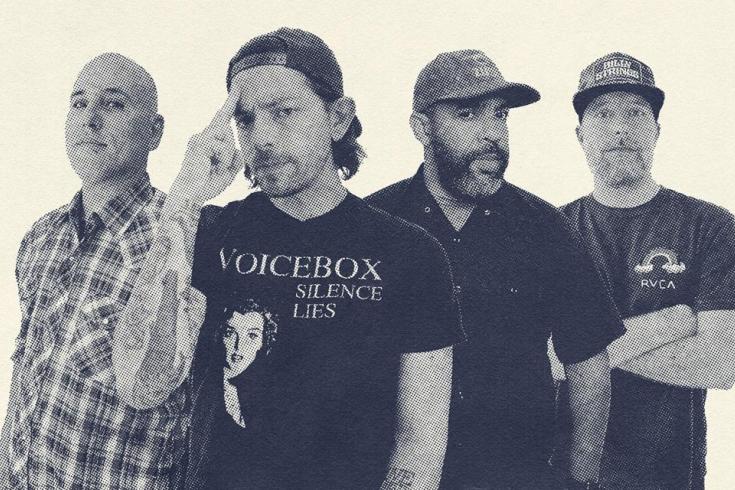
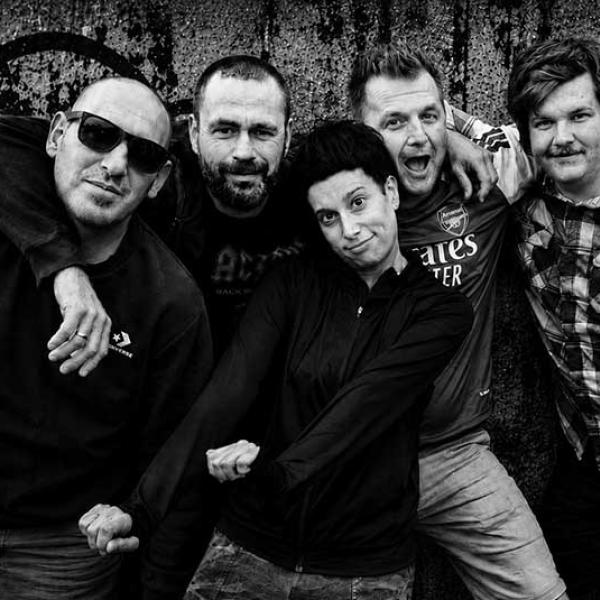
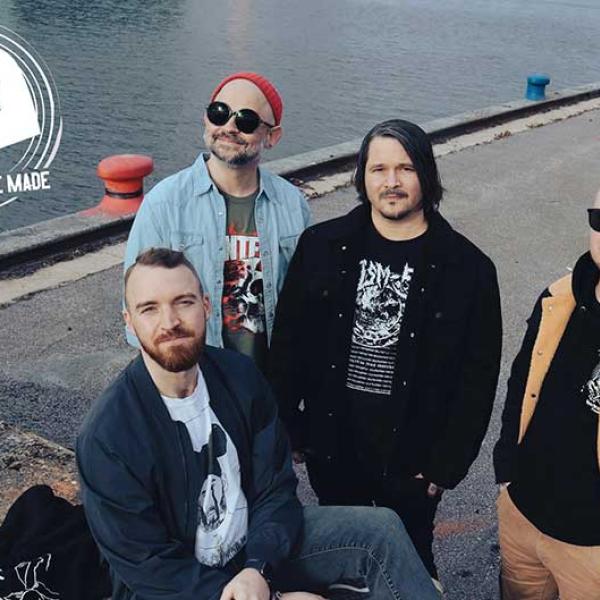
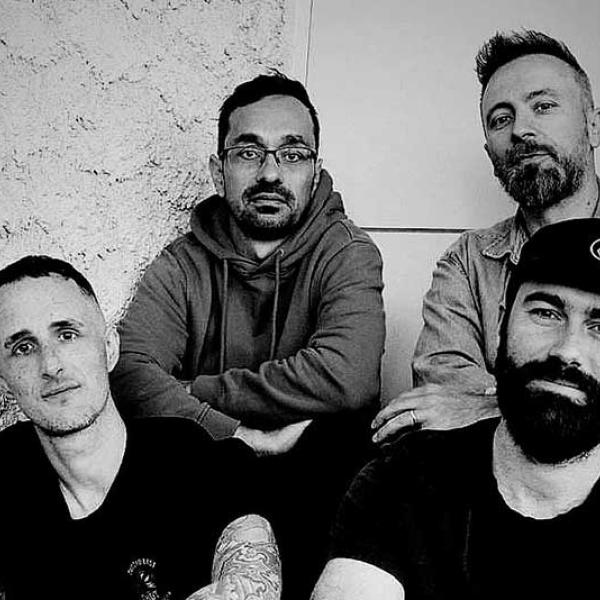
When Hot Water Music first hit the road in the mid-'90s, Chuck Ragan wasn't looking more than a couple of weeks into the future. Fast forward three decades, multiple genre-defining records, a thriving solo path, and a mountain of miles logged across the globe, and the gravel-throated icon is still standing at the helm of one of punk rock's most enduring institutions.
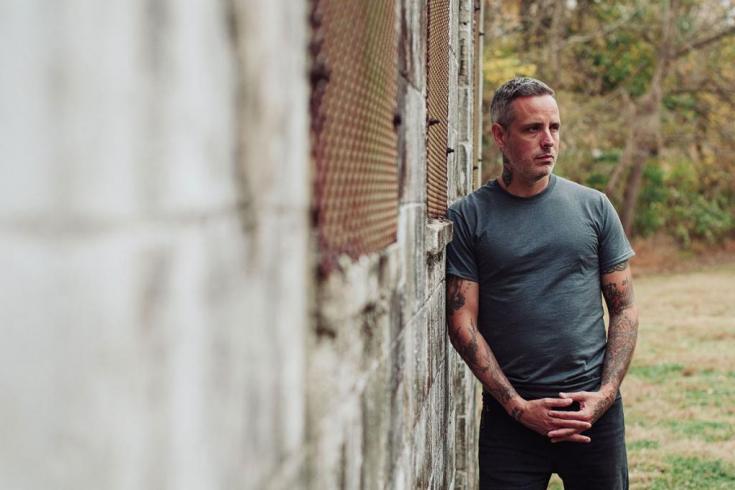
Catching up 25 years after our very first interview with him at Lintfabriek in Belgium, we sat down with Ragan at Jera On Air to reflect on the passage of time, the fine line between the road and family life, and how the addition of Chris Cresswell has injected fresh fire into the band's engine.
PRT: The first time I interviewed you was my very first interview 25 years ago in 2000. Looking back, how has Chuck Ragan changed since then?
Chuck: A lot changes over 25 years. I’m a father now. I always knew I’d be playing music for the rest of my life. Back then, I had no idea that the band would be able to continue the way that it has. It's not that I was unappreciative of the opportunities we had, but I was moving so fast that I never took the time to slow down and really appreciate having all these wonderful people around us and being able to do these things.
PRT: Do you have more time to appreciate those things now?
Chuck: For sure. I’m over 50 now, and it becomes very clear that your time on this planet is limited. I have no idea how long we'll be able to do all of this, so I’m very thankful for every moment I have.
PRT: You mentioned that you already knew back then that you’d always play music. Was there a specific moment where you realized, "This is for real now"?
Chuck: Yeah, at a very young age. My grandfather saw me play guitar - I barely knew how to play - and he told me that if I loved it, I was a fool if I ever put it down, no matter what anyone told me or how they criticized me. He said if you love it, don't ever put it down. That changed my life. From that moment forward, I knew I would always be doing something with music.
PRT: Did your parents support a career in music as well?
Chuck: Hell no! Not at all. It took them many, many years to even accept it, even after I had been doing it for a couple of decades. They never looked at it as a viable or real job. They just thought I was gallivanting around, which, in the early days, some of it was. We weren't making money and we were coming home hungry and beat up. In their defense, they were just looking out for their boy, and music didn't seem like the most logical choice. There were a lot of other things I could have been doing.
PRT: If one of your children told you today that they wanted a career in music, would you support them?
Chuck: One hundred percent, yeah. I would never want to stifle them in any way. I’ll get behind them no matter what and do my best as a parent to be supportive and help guide them in a positive way.
PRT: If you could talk to yourself 25 or 30 years ago, what piece of advice would you give yourself?
Chuck: Slow down and live in the moment, for sure. I could think of many things: stop drinking, do more yoga, swim more, and try to walk on the earth barefooted as much as possible.
PRT: When you were starting out, music was the most important thing in your life. How has the role that Hot Water Music plays in your life changed over the years?
Chuck: It hasn't changed in the sense that writing songs is still something I need to do for myself. When mixed with the band, it becomes something that we need to do together. I’ve learned that it's important to people. I can't say I feel like I owe anyone anything, because I’ve sacrificed so much and given the majority of my time, life, and energy to the band. But I definitely appreciate that we still have the opportunity, and I just want to do my best at it while I'm still alive.
PRT: You mentioned that writing is something you need to do. Do you ever see yourself writing in another form, like a poetry book?
Chuck: Sure, yeah. I actually started a poetry book about 10 years ago, but it got put aside. Eventually, I'll get back to it and finish it.
PRT: Between Hot Water Music, your solo career, fly fishing guiding, and your family, how hard is it to juggle all those different parts?
Chuck: That’s the real challenge. The only way it works is planning way ahead. I’m already laying out plans for 2027. You have to look far ahead, find the dates, figure out when a project like a new Hot Water record needs to happen, and then work backwards.
PRT: You’ve mentioned that living where you live now is what you’ve always wanted, and music helped pay for that. But it also means leaving home for periods of time. Is that hard?
Chuck: Being in music was part of it, though not all attributed to it. But yeah, it is hard, and it gets harder to leave. I’ve found the place where I'm comfortable to die, and it’s a strange feeling. I’ve traveled and learned more than I ever thought I would, and I don't ever want to stop learning or searching. But at some point, it would feel good to stop moving and just become one with the seasons and the cycles around me.
The older I get, the harder it is to leave—especially with a child at home who needs me. It’s conflicting because I’m out here doing something I love and believe in that supports my family, but I’m also leaving the family who would benefit more from me being home. In some ways, this can be a somewhat selfish way of life. It’s a fine line.
PRT: Have you thought about a moment where you’ll say, "Enough is enough"?
Chuck: Those moments started 15 years ago! They come and go depending on the day. Today, I’m happy to be sitting here with you.
PRT: Hot Water Music released two albums in two years, alongside your solo album. Has adding Chris Cresswell brought a new energy to the band?
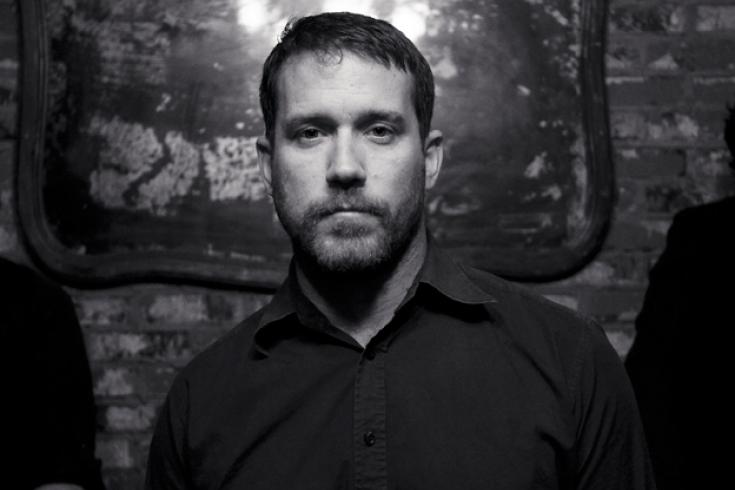
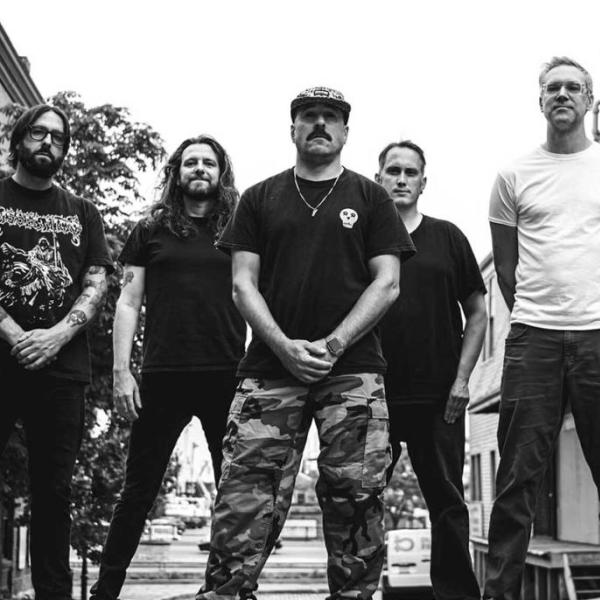
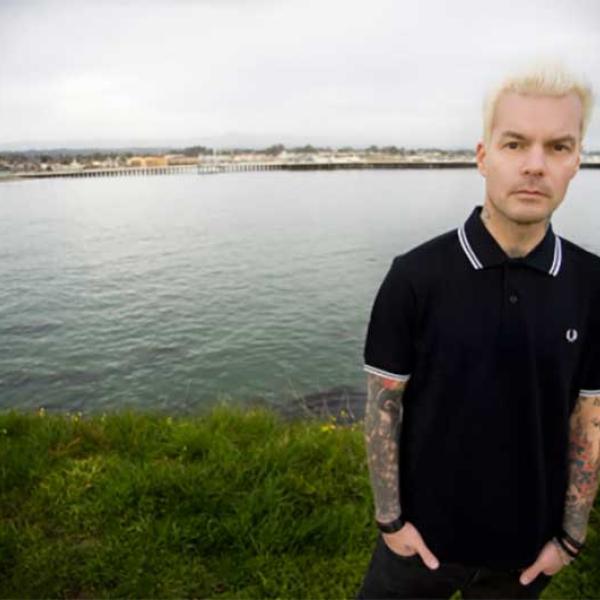
Chuck: Oh, for sure. He breathed whole new life into the band. He’s been playing with us since October of 2017, but for a long time, I was trying to get him to write more and he resisted. He’d say, "No, I'm just coming in to play," and I’d tell him, "Man, you’ve been in this band for years now and we would be honored for you to contribute more." He finally agreed on the past couple of records, and it’s a really cool dynamic now.
Between the five of us, plus working with Brian McTernan and Ryan Williams, we have an absurd amount of collective experience. We’re disciplined and wise enough to police ourselves and not let anything crummy slip through the cracks. But the most important thing—and I'm proud we all still believe this—is that when making music, it has to feel good to us first. We aren't thinking about posters or ticket sales. None of that matters. That could all be gone tomorrow. What we physically press into wax, that lasts.
PRT: What do you personally still get out of writing new songs?
Chuck: Growth and closure. Writing songs has always been a form of therapy for me. When something goes down on paper, it's something I need to get off my chest or out of my head. Documenting it, recording it, and printing lyrics feels like finishing a page in a journal. You close the book and put it on the shelf. You might never look at it again, but you know you went through it and dealt with it. It's a deeply therapeutic experience.
PRT: Does it ever happen that while writing, you come to a new realization about yourself?
Chuck: All the time! It’s like stepping out of yourself to look at an obstacle or something that moved you, whether positive or negative. When you step away and look in, you sometimes see what was obvious all along.

Lacking the talent to actually play in a band, Tom decided he would write about bands instead. Turns out his writing skills are mediocre at best as well.