Features
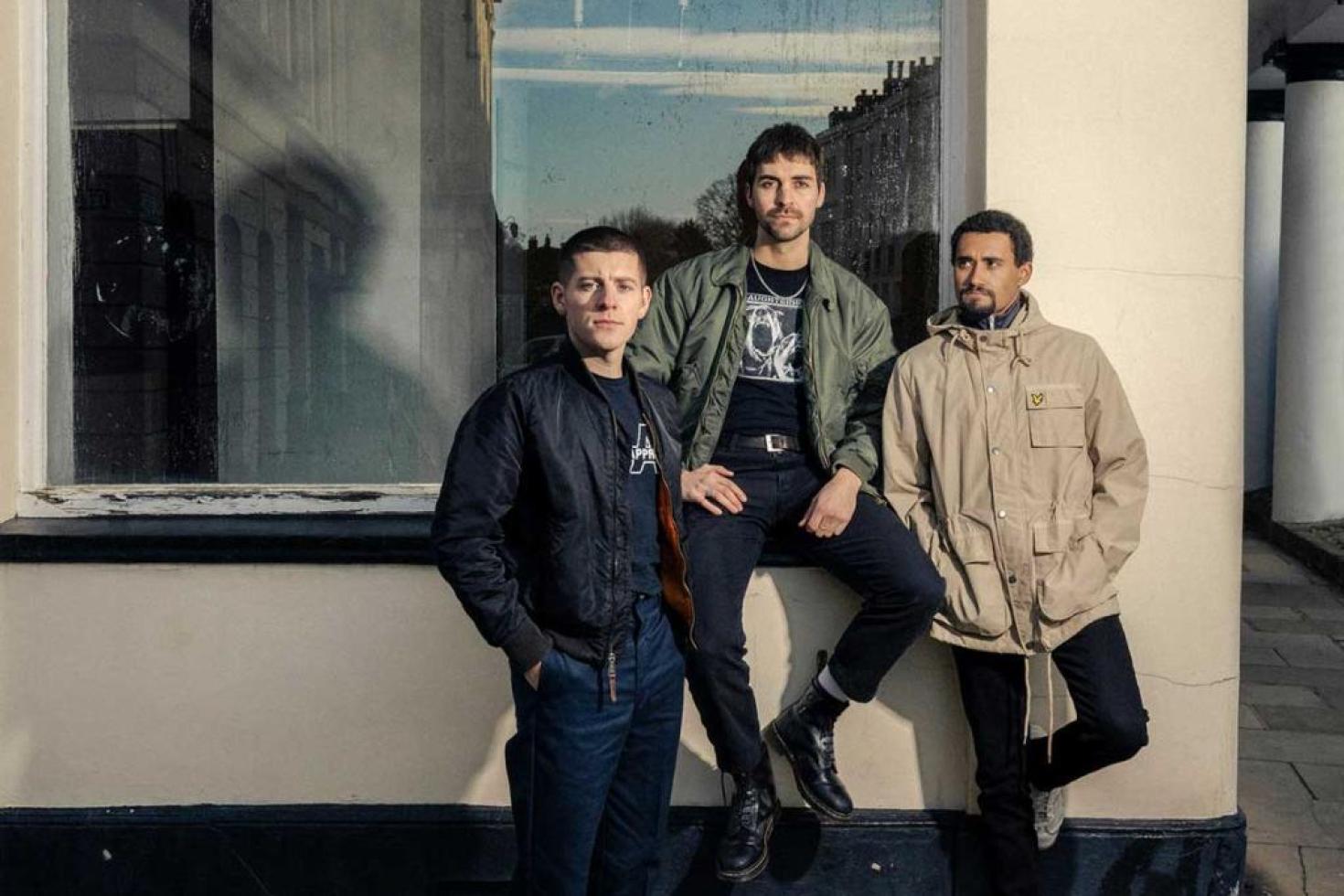


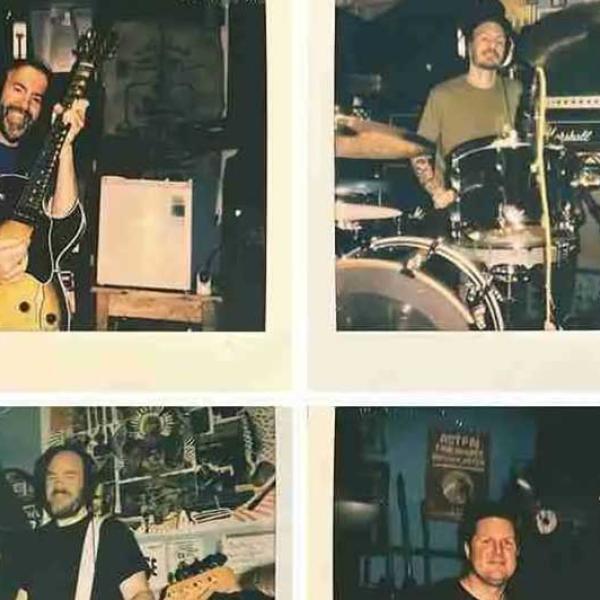
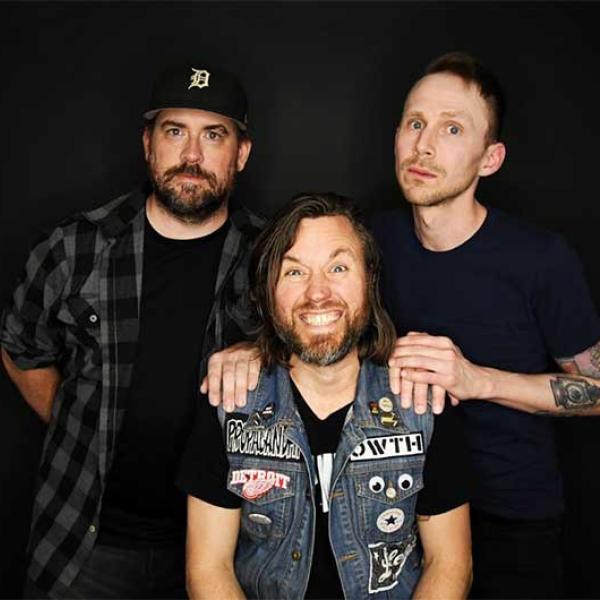
Twelve years on from starting out as teenagers on the Isle of Wight, Grade 2 are no longer the scrappy kids borrowing riffs from their heroes. Their fourth album, Talk About It, captures that shift in real time: a coming-of-age record shaped by relentless touring, near-misses, sudden highs, and the strange whiplash of returning home after chasing something bigger.
Built on themes of growth, pressure, identity, and emotional honesty, Talk About It finds Grade 2 looking inward as much as outward and trading imitation for instinct and documenting the realities of life in and beyond the band. It’s a record about learning to communicate, to process, and ultimately to keep going. Because if there’s one thing Grade 2 have proven over the past decade, it’s that against all odds, they’re still here. And they’ve got plenty left to say.
Read on to find out what guitarist Jack Chatfield had to tell us about Talk About It!
PRT: ‘Talk About It’ is already your fourth album, which is kind of crazy considering how young you were when you first started out. When you look back at those early releases, what stands out to you now? Do they still feel as exciting as they did at the time, or do you hear them differently today?
Jack: It is interesting how time affects how you view your previous work. Especially since we started making records so young, we now have a 4 part history of our teen years to late twenties recorded and immortalised and that’s kind of cool! I will always have a soft spot for our first album Break The Routine, as that was the record that was written before there was any expectations. And being only 17-18 at the time we were very carefree and I think the music reflects that.
PRT: Do you think Grade 2 would still be a band if Hellcat hadn’t picked you up after those first releases?
Jack: Would England have won the World Cup if Harry Kane didn’t miss that penalty vs France? Who knows? I’d like to think that we would still be a band of course, because this is what gives us purpose and meaning, I can't imagine doing anything else. But it’s impossible to say what would happen.
PRT: You’ve gone from touring and playing big stages to going back home to the Isle of Wight. What’s that contrast like mentally? Is that remoteness something that keeps you grounded, or can it be frustrating as well?
Jack: Living on the Isle of Wight creates levels of frustration that cannot be explained unless you experience it haha. That physical barrier separating you from the real world is infuriating to put it mildly. But to be honest, the contrast after getting home from tour is actually kind of nice. Touring is super chaotic and the island offers a well needed break from the chaos sometimes.
PRT: The new album sounds bigger and more anthemic than anything you’ve done before. Have you ever felt limited by being a three-piece, or do you see that as part of your strength?
Jack: Surprisingly, no. Those that know us know we usually double track guitars on record, and have rhythm guitars playing behind lead. That’s because - on record - we prefer that sound. But live, just one guitar in a three piece set up creates this really exciting energy that makes up for the lack of the extra rhythm guitar. And so what happens is, when the guitar goes to a lead part, you don’t even notice that there’s no rhythm behind it, because the bass and drums are carrying it. I don’t know, maybe some people will disagree, but it’s how we’ve always done it and I think it works well for our sound/live shows.
PRT: You’ve often been lumped in with the oi! scene, but musically and lyrically you seem to be doing something a bit broader. Do you feel like you’ve carved out your own niche at this point?
Jack: That’s because oi! is our roots! We started out in the oi! scene and built our foundations from learning from bands like Lion’s Law, Rude Pride, Stomper 98, Bishops Green, to name a few. If it wasn’t for bands like that and the oi! scene in general we wouldn’t be where we are. But naturally we have evolved since those days and - with no intentional decision - we’ve developed our sound into what we describe as just straight up punk. We take more influence nowadays from 70s/80s British punk and 90s American punk. Then we put our own modern twist on it. So in a way the combination of those eras / sounds has given us a sort of niche you could argue!
PRT: Earlier on you were more influenced by classic bands like The Clash and Cock Sparrer. Was there one moment when you realised you were doing your own thing or was that more of a gradual process?
Jack: Yeah I would say that moment was when we recorded our self-titled album. If you listen to our albums before that you might be able to hear that we were trying to emulate particular bands rather than take inspiration from them. And no regrets on that by the way, I wouldn’t change a thing about those records, that’s just the place we were in back then. But self-titled was when we spread our wings and took all this inspiration and created a sound that is uniquely ours. And now we have built on that sound and created what we think is something even better with “Talk About It”.
PRT: If this album is your coming-of-age story, is there one moment that really forced you to grow up over the last few years?
Jack: For me personally, yes. Me and my girlfriend went through a rough patch and nearly broke up, because - put simply - I was afraid of commitment. It taught me to grow up or lose the women I love so it was a no brainer! Hence where the song “Better Today” came from.
PRT: Tracks like “Smugglers Haven” and “Wasteland” go back to the Isle of Wight. How much has growing up there shaped you, both as people and as a band?
Jack: Massively. Like I mentioned before, the frustration of living on an island is frequently agonising and it fuels a large portion of our song writing, hence the creation of “Wasteland”. But in contrast, a song like “Smugglers Haven” is a nod to the fascinating history of our Island, and - as much as we hate it at times - we love it too and we’re proud of our roots.
PRT: This time you recorded closer to home instead of heading out to LA. How much of an impact did that have on the album?
Jack: Recording in the UK definitely affected the record, as recording at any different studio would. But it turned out to be the perfect decision. I think the change of scenery gave us a fresh mindset and helped give this record a more unique sound.
PRT: What’s up next for Grade 2 once the new album is out?
Jack: Touring touring touring. We’re en route to the first show of our UK & Ireland album release tour as I write this. After that we continue the album tour into Europe starting April 25th. Then this summer we’ll be back in Europe for festival season.

Lacking the talent to actually play in a band, Tom decided he would write about bands instead. Turns out his writing skills are mediocre at best as well.